PRODUCTS
Development and technical description
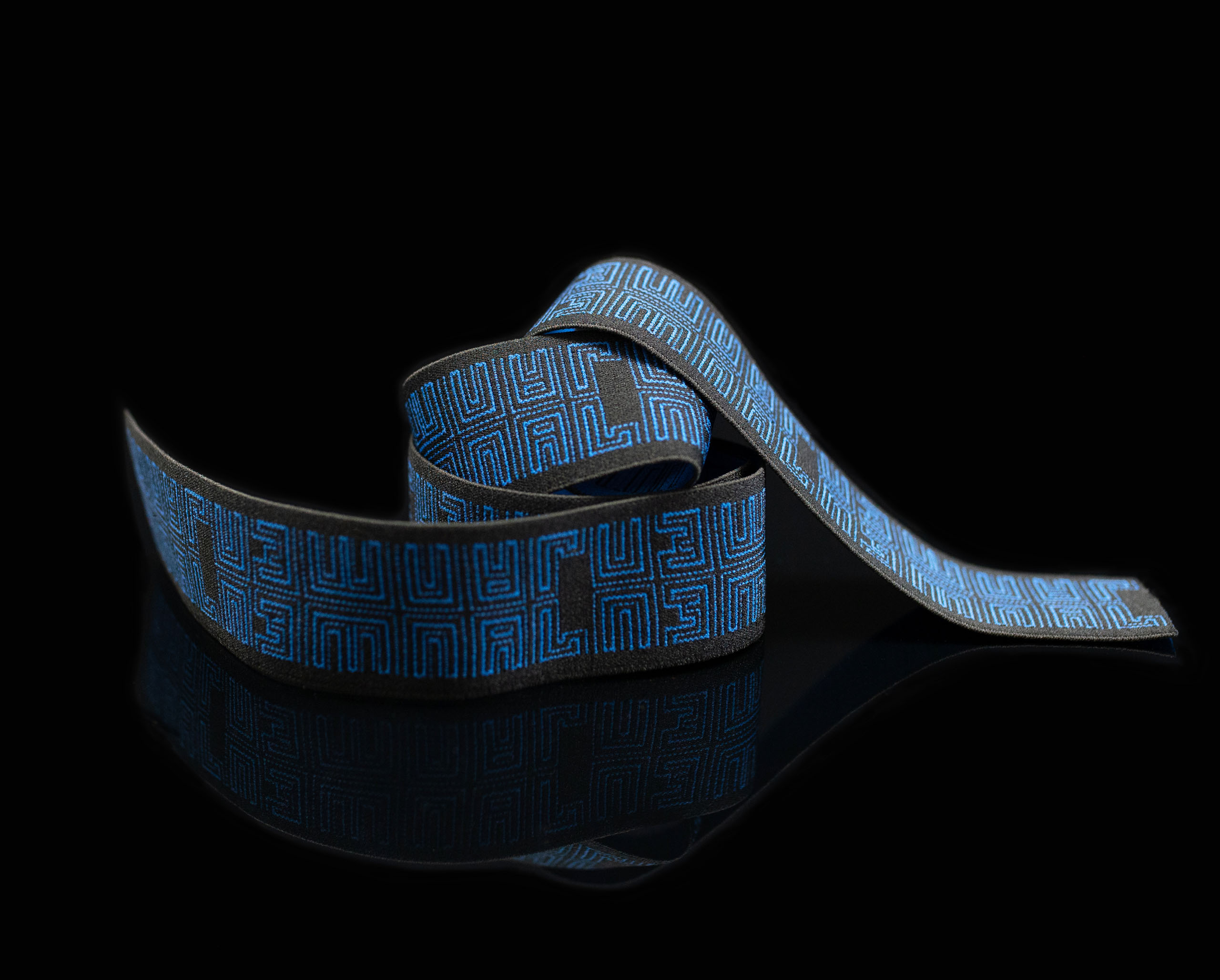
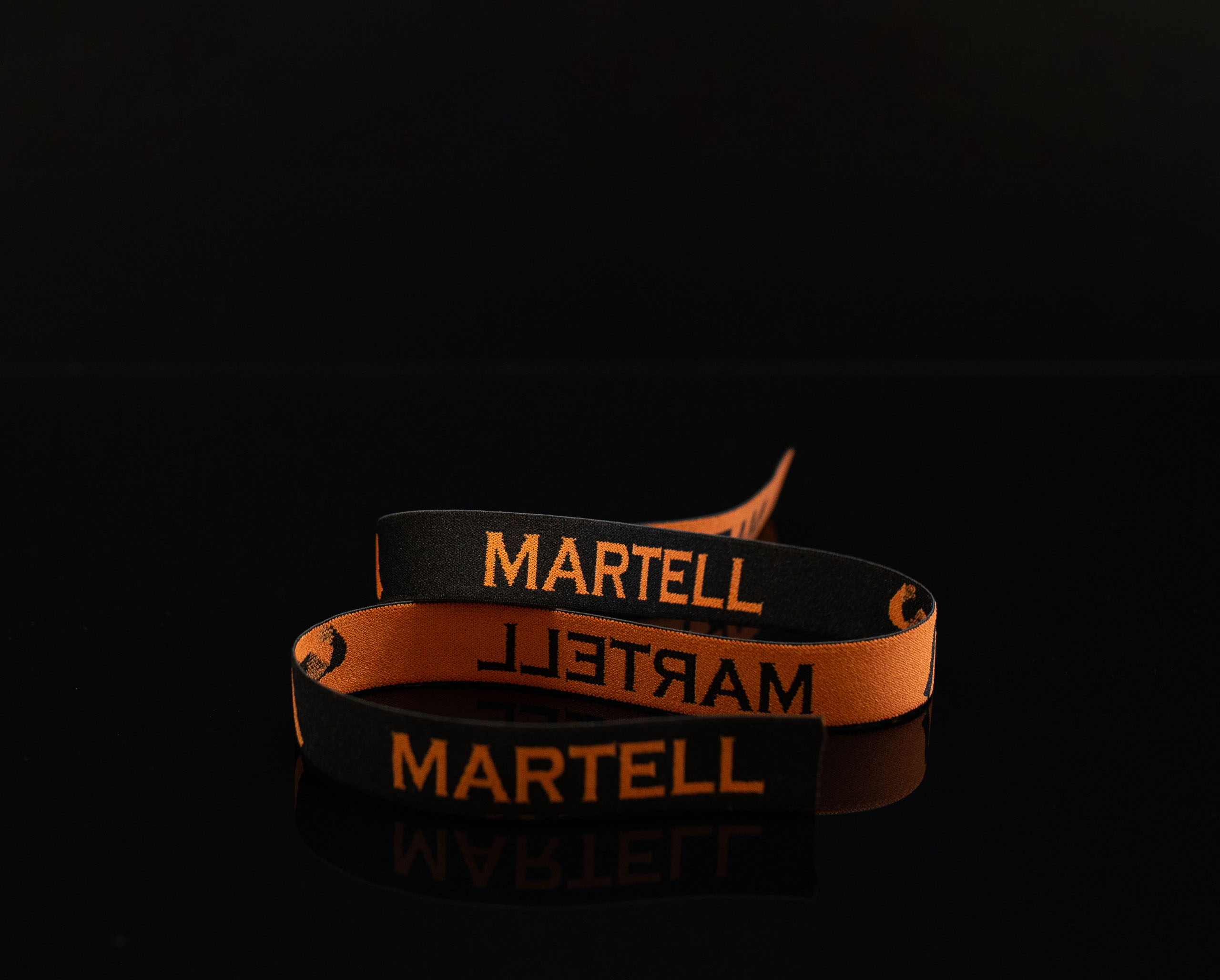
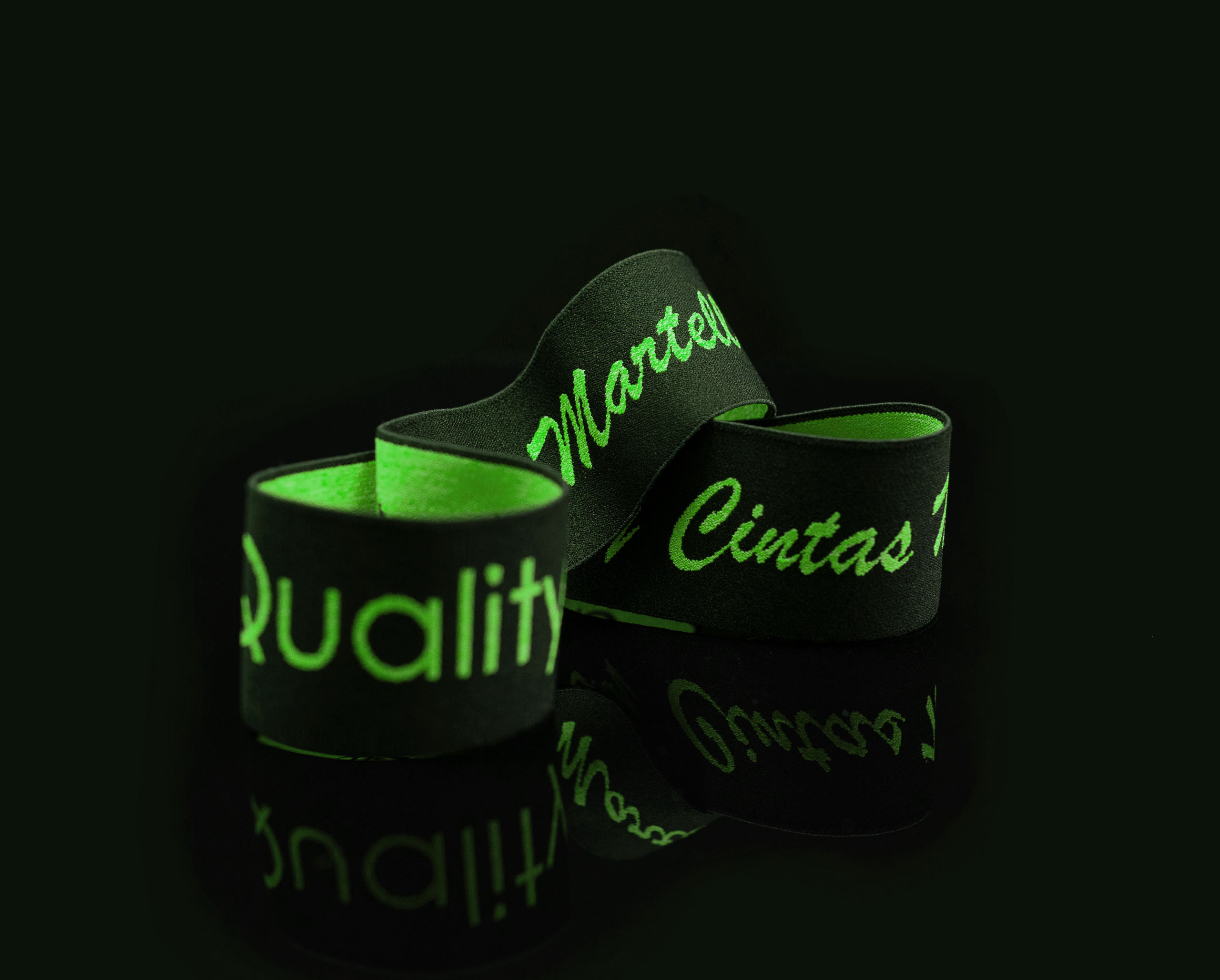
Jacquard-woven elastic ribbons represent an advanced textile solution for high-end underwear and technical garment manufacturing. This specific weaving method allows the automatic interlacing of warp and weft yarns to create complex patterns, textures, and custom corporate logos directly into the core of the band, ensuring high mechanical durability against friction and industrial laundering. Unlike surface screen-printing processes, the jacquard technique embeds the graphic design within the structural knit itself, delivering uniform elongation properties that prevent the distortion or cracking of the logo when stretched under tension. To examine all available manufacturing width configurations, clients can check the comprehensive product catalog, which details the specific physical extensions and modulus variants tailored for industrial scale supplies.
Detailed component breakdown
The material composition of these custom texturized bands integrates high-tenacity synthetic fibers with premium rubber or elastane elements to maintain precise dimensional stability. The core raw components feature high-grade polyamide, polyester, or long-staple cotton fibers that are woven into structural compliance alongside core heat-resistant elastomeric threads. During the manufacturing cycle, individualized heddle controls lift the warp ends to generate clean-cut typographic definitions and a non-abrasive texture that limits dermal friction. For specialized industrial sectors demanding liquid-repellent properties, these articles can receive chemical coatings comparable to those found on rainproof elastic bands. Regarding material safety compliance sheets or standard laboratory tensile tests for the CJ1643/35 model, the technical engineering team provides support through the company contact section.
Industrial applications overview
The implementation of this corporate webbing framework is highly prevalent across sportswear apparel, luxury fashion, and automotive industries due to its adaptability. Its primary operational placement is acting as a foundational supporting waistband in mens underwear collections and activewear base layers. These components are designed to visually match and technically synchronize with other narrow fabrics within the supply line, such as flexible elastic bra straps or structural edge elastic edgings, offering garment designers a consolidated solution that bridges distinct brand aesthetics with strict anatomical ergonomics. Furthermore, high-performance manufacturing environments leverage these materials alongside breathable monofilament elastic bands to ensure balanced tension, thermal regulation, and prolonged garment durability under continuous mechanical use.

